

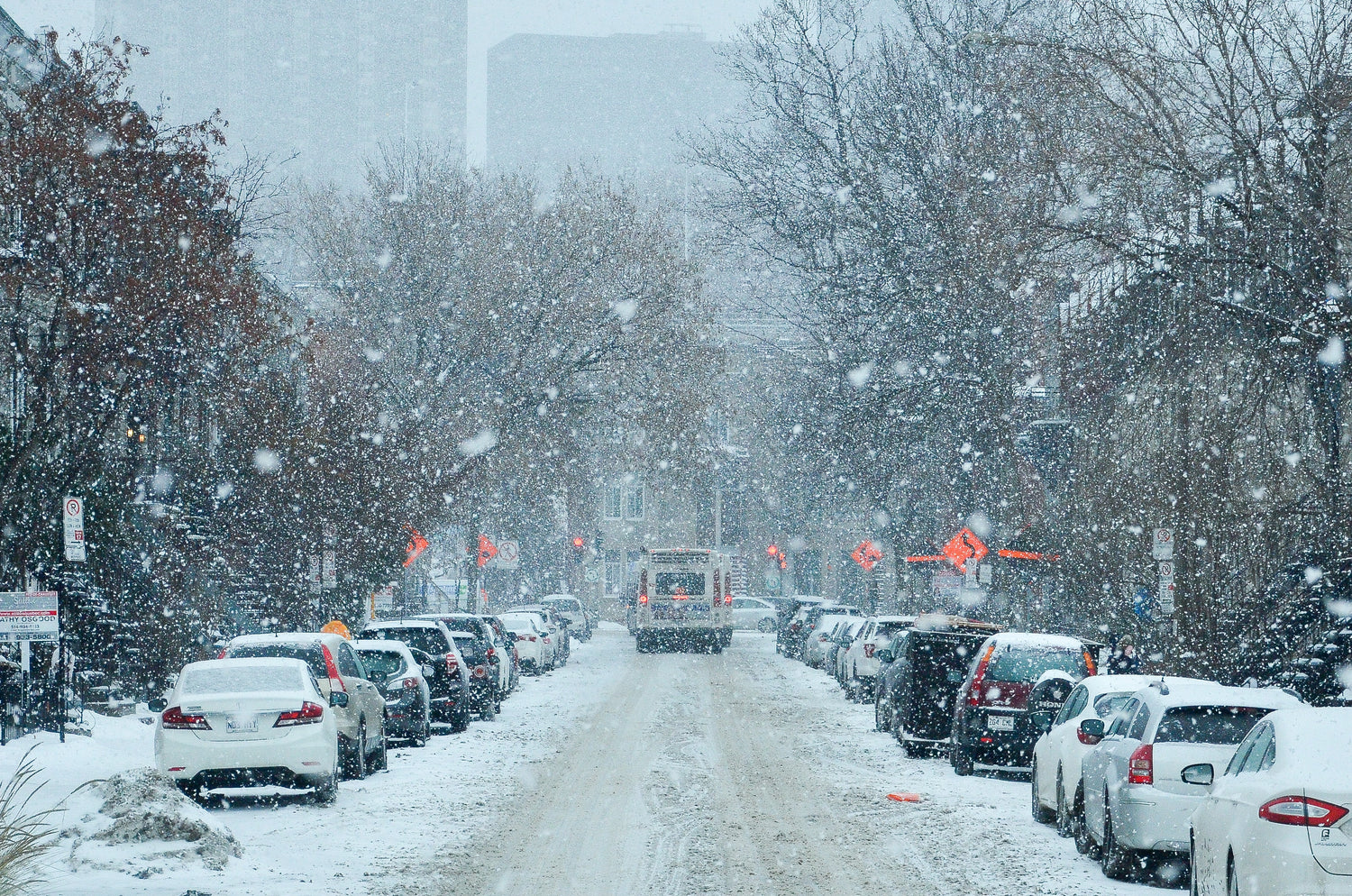
Winter is fast approaching, and with it comes colder temperatures, icy roads, and hazardous driving conditions. It's essential to ensure that your car is winter-ready, so you can navigate the roads with confidence and stay safe.
In this article, we will provide you with the essential tips and steps to get your car prepared for the winter season. From inspecting your tires and brakes to checking your battery and fluids, we will cover all the necessary aspects to ensure your vehicle is in top shape.
Driving in winter conditions can be challenging and unpredictable, but with the right preparation, you can significantly reduce the risks. By following these guidelines, you will not only enhance your safety but also protect your investment in the long run.
Don't let the winter weather catch you unprepared. Take the necessary steps to get your car winter-ready and enjoy a worry-free driving experience. Stay tuned for our expert advice on how to keep your vehicle in optimal condition, so you can navigate the winter roads with confidence.
Importance of preparing your car for winter
Preparing your car for winter is crucial for your safety and the safety of others on the road. Winter conditions can be harsh and unpredictable, making it vital to ensure that your vehicle is in top shape. By taking the time to get your car winter-ready, you can minimize the risk of accidents and breakdowns.
One of the main reasons to prepare your car for winter is to ensure optimal performance. Cold temperatures can affect various components of your vehicle, such as the battery, tires, and fluids. By addressing these issues before winter sets in, you can prevent potential problems and ensure that your car runs smoothly throughout the season.
Another important aspect of preparing your car for winter is maintaining visibility. Snow, ice, and fog can severely limit your visibility on the road, increasing the risk of accidents. By checking and replacing your wiper blades, ensuring your defroster is working correctly, and topping up your windshield washer fluid, you can maintain clear visibility and drive with confidence.
Lastly, preparing your car for winter is a way to protect your investment. Cars are significant investments, and neglecting proper maintenance can lead to costly repairs or a shortened lifespan for your vehicle. By taking the time to get your car winter-ready, you can extend its longevity and avoid unnecessary expenses down the line.
Winter driving hazards and challenges
Winter driving presents a unique set of hazards and challenges that every driver must be prepared for. Understanding these challenges can help you navigate the roads with caution and confidence.
One of the most significant hazards during winter is icy roads. The combination of freezing temperatures and precipitation can result in icy surfaces that are slippery and difficult to maneuver on. It's essential to adjust your driving habits and reduce your speed when encountering icy conditions. Additionally, ensure that your tires have proper traction and consider using winter or snow tires for improved grip.
Another challenge during winter is reduced visibility. Snow, fog, and frost can significantly impair your ability to see the road ahead. To combat this, make sure your headlights are clean and in working order. It's also crucial to use your defrosters and windshield wipers effectively to maintain clear visibility. Keep a safe distance from other vehicles and be prepared to stop or slow down if necessary.
Cold weather can also affect your car's battery performance. Low temperatures reduce the battery's ability to produce power, making it more likely to fail. To avoid getting stranded, have your battery tested before winter and replace it if necessary. It's also a good idea to keep jumper cables in your car in case you or someone else needs a boost.
Lastly, winter driving often involves longer braking distances. Snow and ice can significantly increase the time it takes for your vehicle to come to a complete stop. To compensate for this, maintain a safe following distance and start braking earlier than you normally would. It's also essential to have your brakes inspected and serviced regularly to ensure they are in optimal condition.
By understanding these hazards and challenges, you can better prepare yourself and your vehicle for winter driving.
Winter car maintenance checklist
To get your car winter-ready, it's important to go through a thorough maintenance checklist. This checklist will help you identify and address any potential issues before they become major problems. Here are the essential steps to include in your winter car maintenance checklist:
- Checking and maintaining your tires for winter
Your tires are crucial for maintaining traction and control on winter roads. Start by checking the tread depth of your tires. The legal minimum tread depth is typically 2/32 of an inch, but for winter driving, it's recommended to have at least 4/32 of an inch for better grip.
Inspect your tires for any signs of damage, such as cuts, bulges, or cracks. These can compromise the integrity of the tire and increase the risk of a blowout. If you notice any damage, it's best to replace the tire.
In addition to tread depth and damage, tire pressure is also important. As temperatures drop, tire pressure tends to decrease. Make sure to check your tire pressure regularly and keep it at the manufacturer's recommended level. Underinflated tires can lead to poor handling and reduced fuel efficiency.
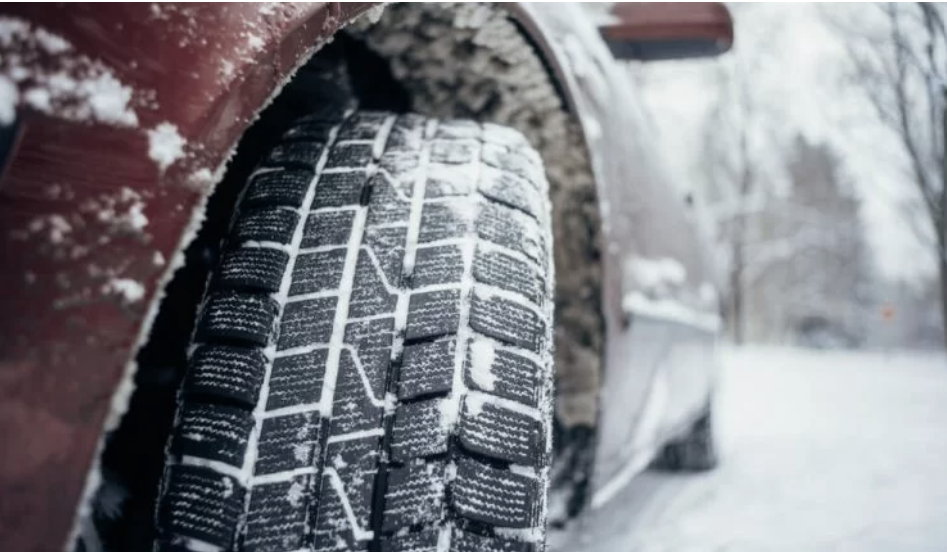
Winter tires are designed with a specific tread pattern and rubber compound to provide better traction on cold surfaces. They can significantly improve your vehicle's performance and grip in winter conditions.
- Preparing your car's battery for cold weather
Cold weather can be tough on car batteries, reducing their capacity and ability to start your vehicle. Before winter arrives, it's essential to have your battery tested by a professional. They can check the battery's voltage and ensure it is in good condition. If the battery is weak or nearing the end of its lifespan, it's best to replace it before it fails in cold weather.
To maintain your battery's performance during winter, keep it clean and free of corrosion. Check the terminals and clean them if necessary. Additionally, make sure the battery is securely fastened in its tray to prevent vibrations that can damage the cells.
If you're not driving your car frequently during winter, consider investing in a battery maintainer or trickle charger. These devices can keep your battery charged and prevent it from losing power over time.
- Tips for maintaining visibility during winter driving
Clear visibility is crucial for safe winter driving. Here are some tips to ensure your visibility remains optimal:
- Check your windshield wipers regularly and replace them if they are worn or streaking. Good wiper blades are essential for effectively clearing snow, rain, and ice from your windshield.
- Top up your windshield washer fluid with a winter-specific formula that won't freeze in cold temperatures. Make sure to keep an extra bottle in your car for emergencies.
- Inspect your defrosters to ensure they are working correctly. Clearing frost and condensation from your windows is essential for maintaining visibility.
- Clean your headlights and taillights regularly to remove dirt and grime. This will improve visibility for both you and other drivers on the road.
- Consider using a rain repellent treatment on your windshield. These treatments improve water beading and make it easier to clear snow and ice.
By following these tips, you can maintain clear visibility and drive safely in winter conditions.
- Essential winter car accessories and supplies
In addition to proper maintenance, it's important to have the right accessories and supplies in your car for winter emergencies. Here are some essential items to have on hand:
- A snowbrush and ice scraper to clear snow and ice from your windows and windshield.
- A shovel to dig your car out if it gets stuck in snow.
- A bag of sand or cat litter to provide traction if your tires get stuck on ice or snow.
- Jumper cables to jump-start your car or help someone else with a dead battery.
- A flashlight with extra batteries in case you get stranded at night.
- A first aid kit to handle any minor injuries or medical emergencies.
- Blankets, warm clothing, and extra gloves in case you need to wait for help in cold temperatures.
- Non-perishable snacks and bottled water in case you get stranded for an extended period.
- A fully charged cell phone and a car charger to call for help if needed.
By having these supplies in your car, you can be prepared for any winter emergency that may arise.
- Winter driving safety tips
Even with proper maintenance and preparation, winter driving can still be challenging. Here are some additional safety tips to keep in mind:
- Reduce your speed and maintain a safe following distance. It takes longer to stop on icy roads, so give yourself plenty of space to react to any sudden changes.
- Avoid sudden movements, such as hard braking or sharp turns, as they can cause your car to skid on slippery surfaces.
- Use caution when driving over bridges, overpasses, and shaded areas. These areas tend to freeze faster and stay icy longer than the rest of the road.
- Stay informed about weather conditions and road closures in your area. Check the local weather forecast and listen to traffic updates before heading out.
- Always wear your seatbelt and ensure that all passengers are properly restrained.
- If you encounter a skid, remain calm and steer in the direction you want to go. Avoid slamming on the brakes or overcorrecting, as this can worsen the skid.
- If you get stuck in snow, rock your car back and forth gently to gain traction. Avoid spinning your tires as it will only dig you deeper into the snow.
- If you're unsure about driving conditions or don't feel comfortable, consider delaying your trip or using alternative transportation.
By following these safety tips, you can minimize the risks of winter driving and arrive at your destination safely.
Professional winter car maintenance services
While there are many tasks you can do yourself to get your car winter-ready, some maintenance tasks are best left to professionals. Consider taking your car to a trusted mechanic or dealership for the following services:
- A comprehensive inspection of your car's systems, including brakes, suspension, and steering.
- Fluid checks and changes, including oil, coolant, and antifreeze.
- Testing and servicing of your car's heating system to ensure it can keep you warm during winter drives.
- Inspection and maintenance of your car's electrical system, including lights, battery, and alternator.
- Alignment and balancing of your tires to ensure even wear and optimal handling.
- Brake inspection and servicing, including checking brake pads, rotors, and fluid levels.
By entrusting these tasks to professionals, you can have peace of mind knowing that your car is in expert hands and ready to take on winter conditions.
Conclusion: Stay safe on the road this winter
Winter driving can be challenging, but with the right preparation, you can navigate the roads with confidence and stay safe. By following the steps outlined in this article, you can ensure that your car is winter-ready and ready to handle whatever Mother Nature throws its way.
Remember to check and maintain your tires, prepare your battery for cold weather, and ensure optimal visibility during winter driving. Stock your car with essential accessories and supplies, and follow safety tips to minimize risks. When in doubt, seek professional assistance for comprehensive winter car maintenance.
Don't let the winter weather catch you off guard. Take the necessary steps to get your car winter-ready, and enjoy a worry-free driving experience. By prioritizing safety and proper maintenance, you can stay safe on the road this winter and confidently face whatever challenges come your way. Get Your Winter Tires Installed Today At T1 Motorsports in Markham


Leave a comment
This site is protected by hCaptcha and the hCaptcha Privacy Policy and Terms of Service apply.